

Registered NDIS Provider
Meet The Team
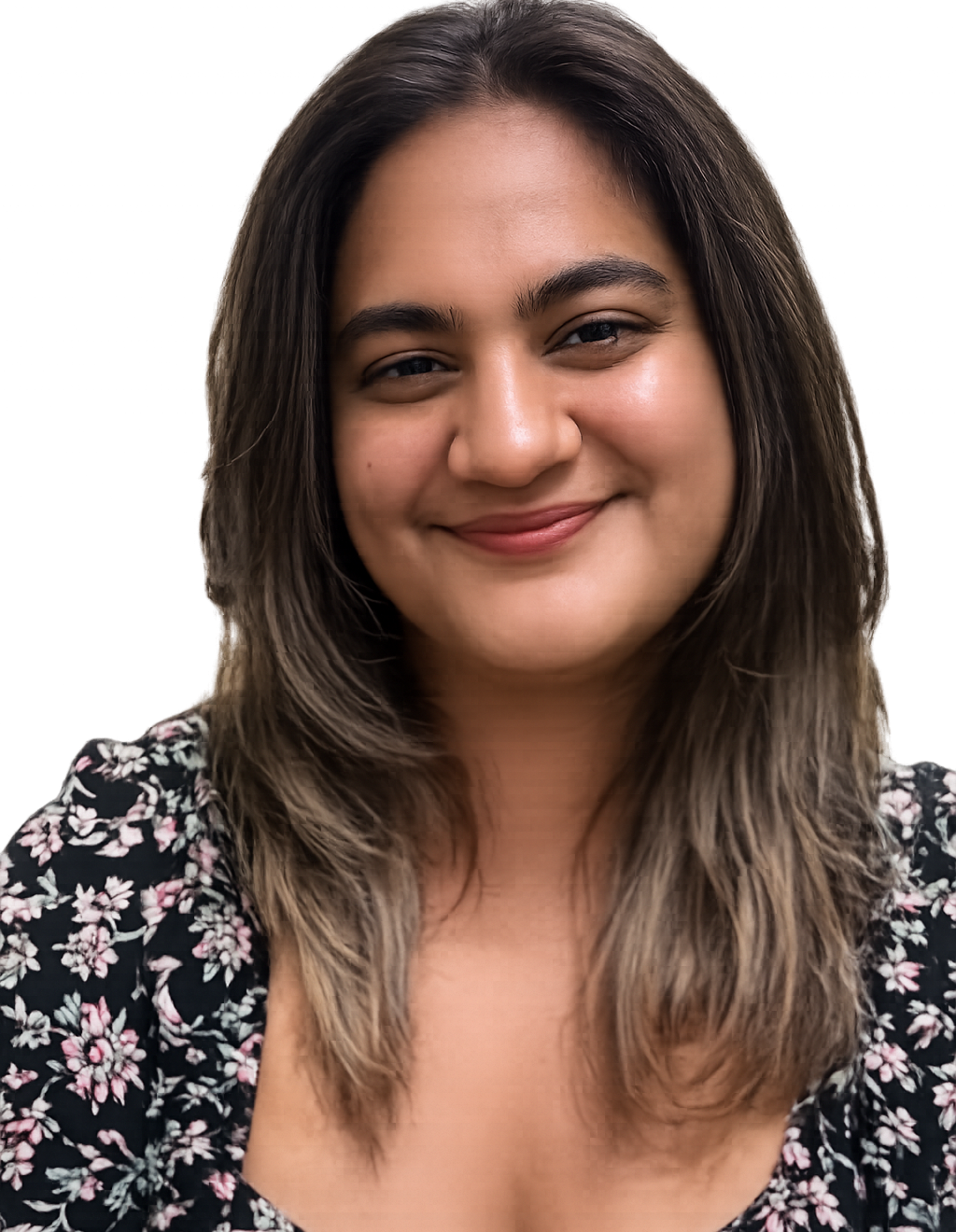
Agrani Kashyap
Operations Officer
About
Agrani Kashyap is an Operations Officer with experience across management roles in multiple industries. She has also worked within the healthcare sector through an IT apprenticeship, where she gained practical experience in systems, processes, and team coordination while leading a small team.
In her current role, Agrani oversees day-to-day operations, ensuring processes run efficiently and consistently across the organisation. Her responsibilities include managing administrative functions, coordinating operational workflows, and supporting key HR processes such as onboarding, documentation, and staff coordination. She works closely with teams to maintain structured systems, address operational requirements, and support overall service delivery.
Agrani takes a practical and organised approach to her work, with a focus on clear communication, accountability, and continuous improvement. She is committed to contributing to a professional and well-functioning workplace, supporting both staff and organisational outcomes

Amelia Boyt
Positive Behaviour Support Practitioner
About
BPsychSc, GradDipAdvPsych, PBS Monash Uni
Amelia is a Behaviour Support Practitioner with a strong passion for psychology, Positive Behaviour Support, and person-centred practice. She holds a Bachelor of Psychological Science and Graduate Diploma (Advanced) in Psychology from The University of Adelaide and is currently continuing her studies toward clinical registration.
Since entering the NDIS sector in 2022, Amelia has worked across both direct therapeutic support and broader organisational roles in quality and communications. Through this experience, she has developed a strong understanding of the importance of delivering supports that are not only evidence-informed, but genuinely meaningful and individualised to each person. She has worked closely with participants in one-on-one settings and has helped develop therapeutic programs that focus on building confidence, emotional wellbeing, independence and long-term capacity.
Amelia has experience supporting individuals with neurodivergence, trauma backgrounds, intellectual disability and mental health diagnoses. She values creating relationships where people feel understood and empowered, and approaches her work with a warmth and strong belief in each individual’s ability to grow and achieve meaningful outcomes.
Alongside her behaviour support work, Amelia has a special interest in equine-assisted and nature-based therapeutic approaches. She is passionate about the unique opportunities these environments can create connection, build confidence and support personal development.
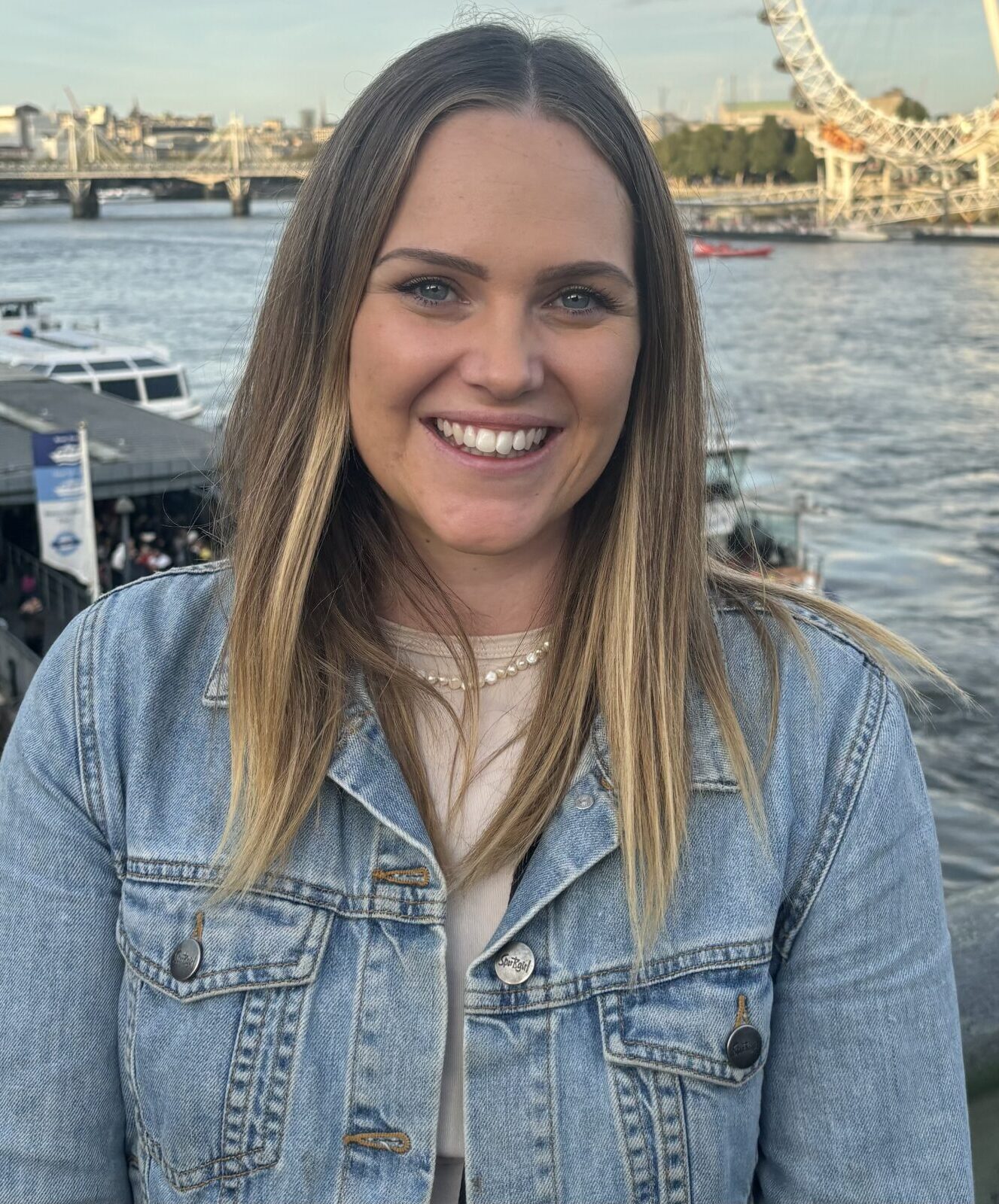
Courtney Timms
Positive Behaviour Support Practitioner
About
I am a Behaviour Support Practitioner who is passionate about supporting people to improve their quality of life, achieve their goals, and build the skills and confidence to participate meaningfully in everyday life. I believe every person has unique strengths, and I am committed to providing person-centred, evidence-informed support that is tailored to each individual’s needs, values, and aspirations.
I hold a Bachelor of Social Work from Flinders University and have completed Positive Behaviour Support training through Monash University.
Since beginning my career in 2019, I have worked across child protection, mental health, disability, and therapeutic services, supporting people with diverse needs and backgrounds. My experience includes working with individuals with autism, ADHD, intellectual disability, trauma backgrounds, mental health challenges, and people from culturally diverse communities.
My approach is collaborative, strengths-based, and trauma-informed. I work alongside participants, families, carers, and multidisciplinary teams to understand the factors influencing behaviour and develop practical, individualised strategies that enhance independence, build capacity, strengthen relationships, and support meaningful participation in home, school, work, and community settings.
I value building genuine, respectful relationships where people feel heard, understood, and empowered. My goal is to support each person to achieve outcomes that are meaningful to them while promoting dignity, choice, and an improved quality of life.
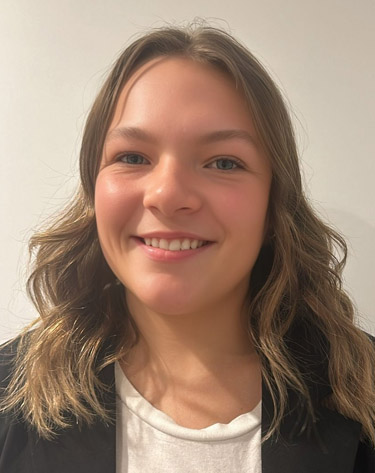
Courtney Vonk
Behaviour Therapist

Elena Kuzmenko
Positive Behaviour Support Practitioner
About
Elena Kuzmenko is a Positive Behaviour Support (PBS) Practitioner who is deeply committed to improving quality of life through a strong focus on understanding communication, behaviour, and individual needs. She brings a values-driven, strengths-based approach to supporting individuals with complex and high-support needs, helping families and support teams move from reactive responses to proactive, meaningful, and sustainable strategies.
Elena has professional experience across both the education and disability support sectors, supported by qualifications in Secondary Teaching, Special Education, Disability, and a Graduate Certificate in Positive Behaviour Support. This multidisciplinary background allows her to bridge educational and disability frameworks effectively, ensuring strategies are practical, transferable, and embedded across everyday environments.
Her clinical work includes behavioural assessment, Positive Behaviour Support Plan development, and capacity-building training for families, educators, and support workers. Elena places a strong emphasis on predictability, emotional safety, autonomy, and confidence-building, recognising these as key foundations for behavioural stability and long-term growth.
Elena is particularly skilled at helping others reframe behaviours that feel overwhelming into meaningful insights, guiding teams to better understand what behaviours are communicating and how to respond in ways that reduce distress and promote connection. Her approach is collaborative, compassionate, and grounded in evidence-based practice, with a strong focus on empowering those around the individual to support lasting change.
Elena is passionate about continuous learning and reflective practice, and she believes that when understanding replaces control, individuals and families move from simply coping to truly thriving.
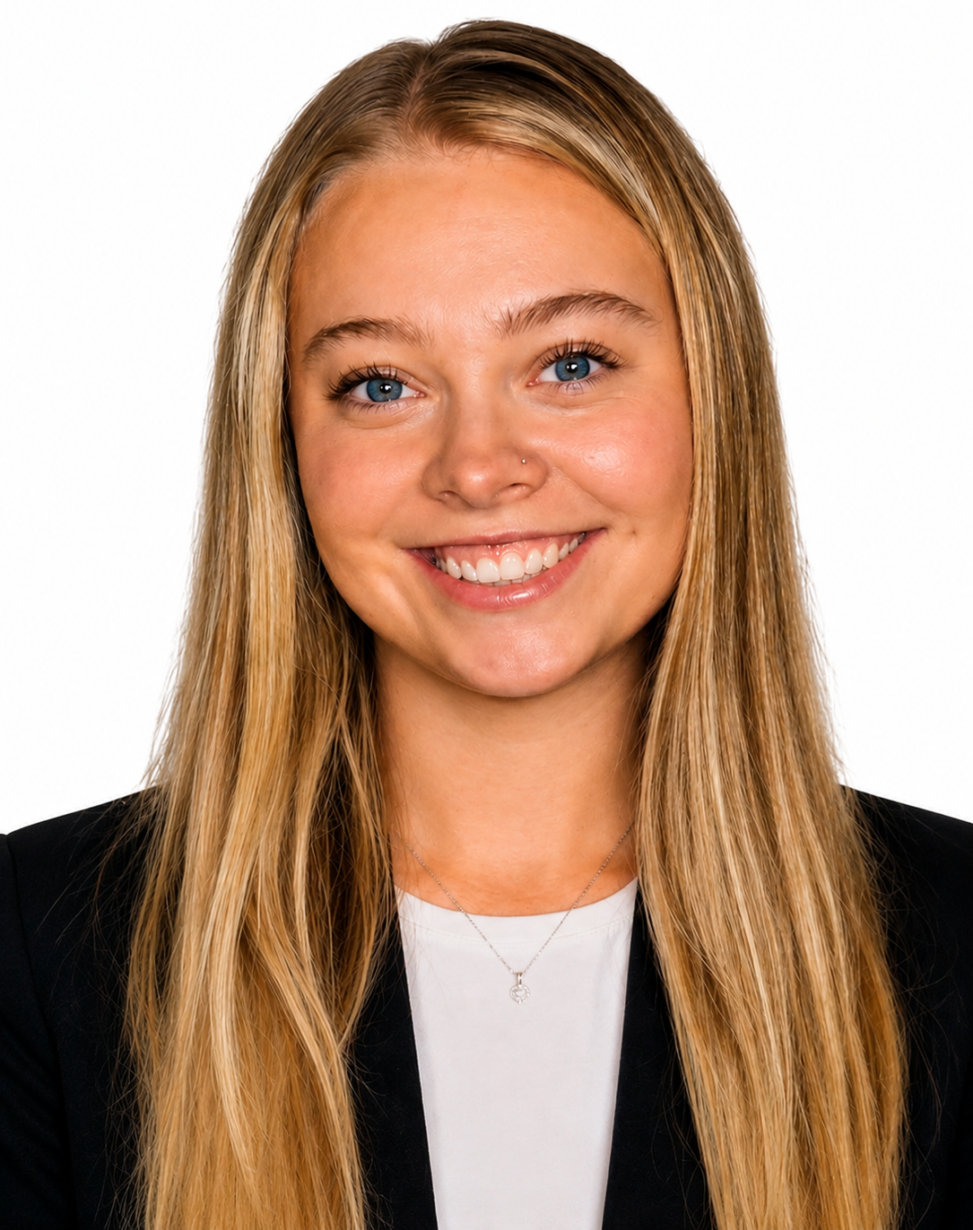
Ella Simpson
Positive Behaviour Support Practitioner
About

Koomal Kaur
Director/Behaviour Specialist
About
Koomal Kaur Ranjit Singh is a Board Certified Behavior Analyst (BCBA), Certified Behaviour Analyst, and Behaviour Specialist with a Master’s in Education (Behaviour Analysis) and over 12 years of clinical experience across the autism, disability, mental health, and forensic sectors. Her practice is firmly grounded in Positive Behaviour Support (PBS) and trauma-informed care, applying evidence-based, socially validated interventions to achieve meaningful and sustainable outcomes for individuals with complex and high-risk presentations.
Koomal was awarded Most Outstanding Behaviour Analyst in Australia at the Enablement Awards, and subsequently recognised at the Global Awards as Most Outstanding Behaviour Analyst (Global) in 2025, acknowledging her clinical excellence, leadership, and international contribution to behaviour analysis. From 2023 to 2025, Koomal served as Past President of the Association for Behaviour Analysis Australia (ABAA), where she led national and international initiatives promoting ethical practice, workforce development, and the advancement of behaviour analysis. She has presented at multiple professional conferences, including SEPLACON (2022) and the ABAA Conference (2025), sharing applied, practice-based insights into supporting individuals with complex behavioural and psychosocial needs.
Koomal is currently a PhD Candidate at Torrens University, with her research focused on the integration of Acceptance and Commitment Therapy (ACT) within behaviour analytic practice, particularly in early intervention and caregiver support. Her academic work complements her clinical practice, strengthening translational links between research, frontline intervention, and system-level change. Her expertise includes functional behaviour assessment, data-driven intervention design, and strategic behaviour planning, with particular strengths in parent training, functional communication, toilet training, school transitions, and school-wide positive behaviour support frameworks. She has extensive experience in reducing restrictive practices, building independent living skills, supporting emotional regulation, and addressing self-harm and self-injurious behaviours.
Koomal’s advanced practice also encompasses Skill-Based Treatment (SBT), the assessment and treatment of sexualised behaviours, forensic applications of behaviour science, and trauma-informed behavioural intervention. She regularly delivers school-based training, workshops, and policy reform initiatives to strengthen inclusive practice, and consults closely with educators to embed sustainable behavioural supports. Her work extends internationally, having developed and implemented individualised interventions for children with autism in Malaysia and India, and locally through collaboration with Forensic CAMHS, supporting justice-involved youth using the science of behaviour.
Koomal is deeply committed to building safe, ethical, and empowering environments where individuals, families, and systems can thrive through collaboration, compassion, and rigorous behavioural science.
Philip Sa Pereira
Advanced Clinical Supervisor
About
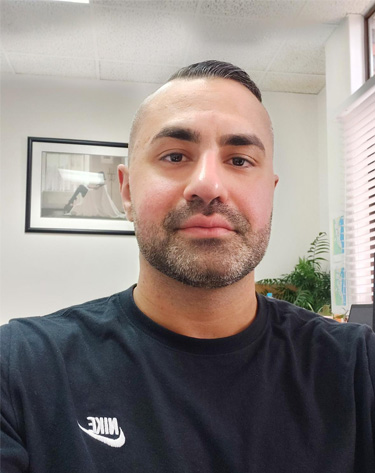
Philip Sa Pereira is an Advanced Behaviour Support Practitioner with over eight years of clinical experience supporting individuals with complex needs across disability, education, and therapeutic settings. He holds a Bachelor of Psychological Science, a Master of Counselling and Psychotherapy (Clinical), and a Master of Education (Applied Behaviour Analysis).
Philip has been a registered Behaviour Support Practitioner since 2018 and brings more than three years of experience in clinical supervision, supporting practitioners to develop robust, ethical, and evidence-informed practice. He is formally registered as an Advanced Behaviour Support Practitioner (Level 3), a Clinical Psychotherapist (PACFA), and a Certified Behaviour Analyst (ABAA).
His clinical specialisation includes working with individuals with Autism Spectrum Disorder Level 3, particularly those with non-speaking communication, severe emotional dysregulation, and physical aggression, as well as individuals with developmental trauma and disrupted attachment histories. Philip is also an accredited physical restraint instructor (Team Teach) and brings a strong focus on safety, risk management, and reducing restrictive practices through proactive, trauma-informed intervention.
Philip’s work is grounded in integrative, ethical, and person-centred practice, combining applied behaviour analysis, psychotherapy, and trauma-informed frameworks to support sustainable outcomes for individuals, families, and multidisciplinary teams.
Polly Shaw
Positive Behaviour Support Practitioner
About
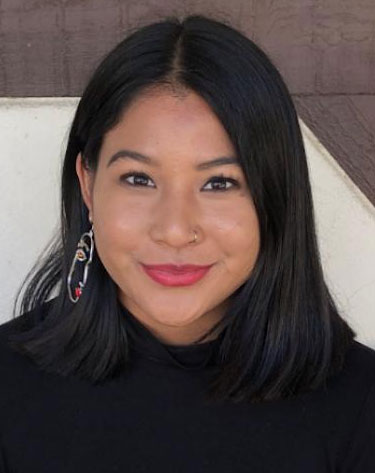
Polly is a Positive Behaviour Support Practitioner with a strong passion for supporting people who experience challenges related to alcohol and other drug (AOD) use. She is a qualified and registered nurse with a background in community nursing, and holds postgraduate qualifications in Applied Behaviour Analysis (ABA), Counselling, and Addiction and Mental Health.
Her practice is grounded in person-centred care, compassion-focused approaches, and motivational interviewing, with a focus on building meaningful, collaborative relationships that support positive and sustainable change.
Outside of work, she enjoys spending time outdoors and can often be found at the gym, rock climbing, hiking, or horse riding.
Aca registered lvl1 counsellor